In a culture obsessed with hustle and performance, creative sovereignty offers a quieter path — one rooted in ritual, rhythm, and radical self-trust. This reflection explores how artists can reclaim autonomy in a world that commodifies creativity, and why success isn’t about speed or spectacle, but about knowing how you work and honoring that truth. If you’re tired of formulas and ready to return to presence, this is for you.
Displacement in the Age of Hustle
In a time when blogs overflow with quick-money schemes and productivity hacks, I often feel displaced. The culture of copywriting — churning out hundreds of articles on how to make $5,000 in a week — rarely feels genuine. Nor does the trend of artists selling their transformation into business moguls. I don’t want another workshop on monetizing my art. I want to be taught how to live with it. How to relax. How to survive my forties with grace and creativity.
This kind of writing — formulaic, performative, and often disconnected from real life — chokes the deeper culture of art and living. It replaces magic with metrics.
Autonomy Isn’t Just Freedom — It’s Fit
Week 11 of The Artist’s Way invites us to recover a sense of autonomy. Autonomy means the ability to make decisions that reflect who we truly are — not who we’re trying to become to fit in.
Social media has warped how we communicate our creativity. Once, we made things without an audience. Now, every craft risks becoming a commodity. And when we finally get good at something, we’re told to sell ourselves. Some artists pivot entirely, becoming self-proclaimed copywriters teaching others how to gain followers. It’s disorienting.
I don’t visit your website to learn how you built a brand — I came to see what you create. I came to be immersed in your ideology, not your marketing strategy.
This Isn’t a Checklist — It’s a Conversation With Yourself
If you’re going through The Artist’s Way, know this: it’s not a book to “complete.” It’s a mirror. Read the chapters more than once. Take what resonates. Leave the rest. Skip a task if it feels off. That’s okay. The real work is learning yourself — because you’re the one you’ll be living with for the rest of your life.
Know Your Rhythm, Not Just Your Resume
I used to write resumes for people. Often, they struggled not because they lacked skills, but because they didn’t know themselves. Don’t take a night shift if you don’t function well at night. Don’t apply for a multitasking-heavy role if it drains you. Yes, discipline can be learned — but sometimes the real shift is changing your routine, not your personality.
Understanding how you work is the foundation of feeling successful. Julia Cameron writes, “As an artist, I do not need to be rich, but I do need to be richly supported.” You won’t know what kind of support you need until you know yourself.
Misaligned Aspirations and the Myth of Discipline
We live in an era of infinite information. But that information often pushes us toward aspirations that don’t fit our temperament, values, or capacity. If you function better at night, waking up at 5AM won’t make you a better version of yourself — it’ll make you miserable.
Some things can be learned. But some things are misaligned. The key is knowing the difference.
Creativity Is a Spiritual Practice, Not a Product
Cameron reminds us: “Creativity is a spiritual practice. It is not something that can be perfected, finished, and set aside.” One of my favorite professors, Randy Rumley, used to say that every piece of writing has room for improvement. Creativity doesn’t have a finish line. Sometimes a piece takes years to feel “done.”
Success isn’t about speed or replication. It’s about balance — between obligations and creative needs. It looks different for everyone. Don’t compare your rhythm to someone else’s highlight reel.
The Zen of Sports and the Joy of Movement
Cameron talks about “moving meditation” — just twenty minutes of physical activity a day can shift your energy. My own ritual is simple and a little silly: I walk around the block listening to music and bouncing a light-up bouncy ball. It started as a quirky obsession, but it became a way to connect with people, regulate my mood, and start my day with joy.
Find your own version. It doesn’t have to be serious. It just has to work.
Build Your Artist Altar
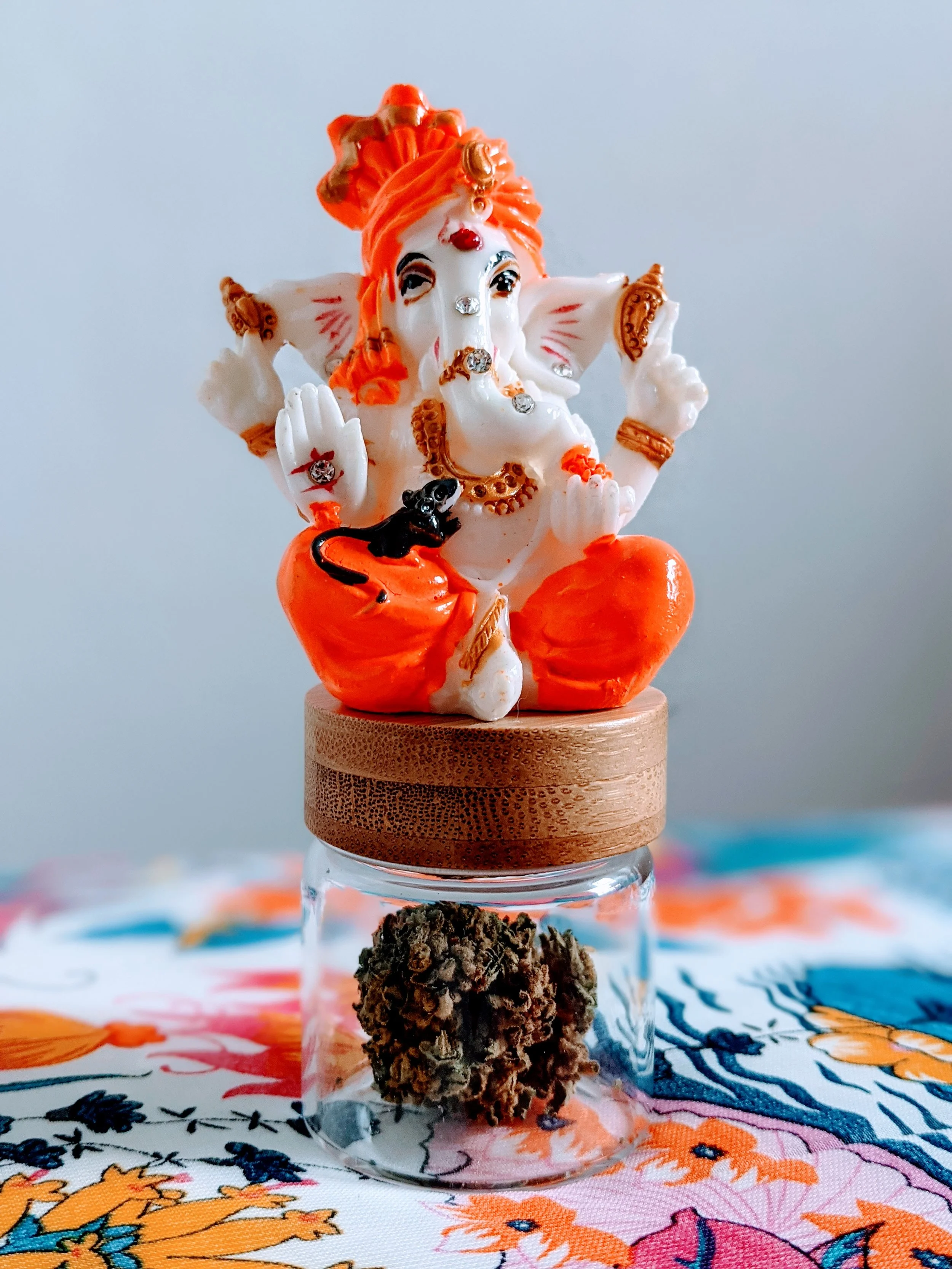
Morning pages are a form of meditation. For me, they’re easier than sitting still — I just write without thinking and move on with my day. Cameron also suggests building an altar with things that make you happy. I’ve done this since childhood: shelves with figurines, found objects, and notes.
Altars don’t have to be religious. They’re spaces of peace. My altar is scattered: an enclosed porch surrounded by trees, a velvet mattress by my book nook, a shelf of trinkets and incense. When I burn incense, my body knows — it’s time to create.
Create your own ritual. Cue your body into rhythm. Let your space support your spark.
The Pace Is the Portal
Creative sovereignty isn’t something we earn through hustle — it’s something we reclaim through rhythm, ritual, and radical self-trust. The world may try to sell us formulas, but our art asks for presence. So build your altar. Bounce your ball. Write your pages. And remember: your pace is not a problem. It’s a portal.
You don’t need to monetize your magic to prove it’s real. You just need to show up for it. Whether that means walking with a bouncy ball, burning incense, or writing morning pages, your rituals are valid. Your rhythm is enough. Keep learning yourself. Keep creating from that place.
We are on a journey, and the destination is death. So stop trying to get there already. Learn how you work, and adjust for that — because real success isn’t speed or spectacle. It’s knowing yourself well enough to live in alignment, to create with joy, and to make peace with the pace that’s yours alone.
If this reflection resonated, I’d love to hear how you’re reclaiming your own rhythm. What rituals help you show up for your creativity? Share your thoughts below, or simply take a moment to honor your pace today.
I’m slowly building a public archive through my studio, Good Things, Good Days — a space for ritual, affirmation, and creative sovereignty. If you’re on a similar path, seeking presence over performance, I’d be honored to connect. Feel free to like, comment, or follow along on Medium or visit goodthingsgooddays.com as this journey unfolds.
🌿 Milna Cultivates
Good Things Good Days — essays on creativity and becoming.
Originally published on Medium by Milna Cultivates.